
Exploring the landscape of Fixed vs. Variable Mortgage Rates in Australia and predicting the market trends for 2026 sets the stage for an insightful journey into the realm of financial decisions. Brace yourself for a rollercoaster of information and analysis that will leave you informed and prepared for the future.
Delving into the nuances of fixed and variable rates, understanding historical trends, and forecasting future movements provides a comprehensive view of the mortgage market in Australia.
Fixed vs. Variable Mortgage Rates Overview
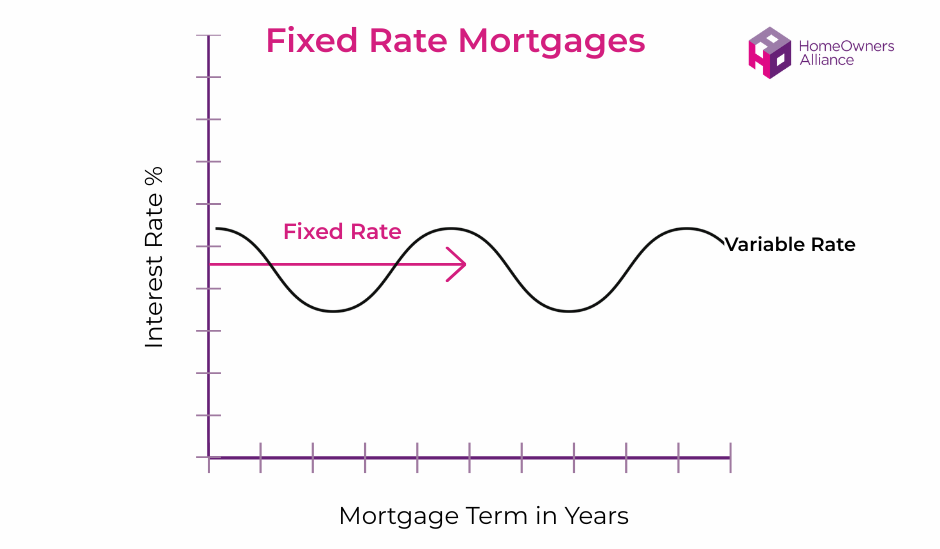
When it comes to mortgage rates in Australia, borrowers often have the option to choose between fixed and variable rates. Fixed rates remain the same for a set period, providing certainty in monthly repayments, while variable rates fluctuate based on market conditions, potentially offering savings or increased costs.
Key Differences between Fixed and Variable Rates in Australia
Fixed-rate mortgages offer stability and protection against interest rate rises, making budgeting easier for homeowners. On the other hand, variable rates can be influenced by changes in the official cash rate set by the Reserve Bank of Australia, affecting the total amount paid over the life of the loan.
- Fixed Rates:
- Interest rates are locked in for a specific period, typically between 1 to 5 years.
- Borrowers have predictable monthly repayments, unaffected by interest rate fluctuations.
- Early repayment or refinancing may incur break fees.
- Variable Rates:
- Interest rates can change at any time based on market conditions and the RBA cash rate.
- Borrowers may benefit from lower rates during economic downturns but face increased repayments during rate hikes.
- Flexibility to make extra repayments without penalties.
Impact of Economic Factors on Fixed and Variable Rates
Economic factors play a significant role in determining the direction of both fixed and variable mortgage rates in Australia. Changes in inflation, employment rates, economic growth, and global market conditions can influence interest rates set by financial institutions.
It is crucial for borrowers to stay informed about economic indicators and forecasts to make informed decisions when choosing between fixed and variable mortgage rates.
Historical Trends Analysis
Understanding the historical trends of fixed and variable mortgage rates in Australia provides valuable insights into the market's behavior over the years.
Stability of Fixed Rates vs. Fluctuations of Variable Rates
Fixed rates have traditionally provided borrowers with stability and predictability in their mortgage payments. These rates remain constant for a specified period, usually between 1 to 5 years, offering protection against interest rate hikes. On the other hand, variable rates fluctuate based on market conditions, economic factors, and the Reserve Bank of Australia's decisions. This variability can result in changes to borrowers' monthly repayments, making them more susceptible to interest rate movements.
External Factors Influencing Rate Trends
External factors play a significant role in shaping the trends of fixed and variable mortgage rates in Australia. Economic indicators such as inflation, GDP growth, unemployment rates, and global economic conditions can impact interest rates set by lenders. Moreover, the Reserve Bank of Australia's monetary policy decisions, including changes to the official cash rate, have a direct influence on variable rates. Political events, regulatory changes, and market competition also contribute to the dynamics of mortgage rates in the country.
Market Forecast for 2026
In looking ahead to 2026, it is essential to consider the current economic landscape and how it may impact mortgage rates in Australia. Let's delve into the forecast for both fixed and variable rates in the upcoming year.Direction of Fixed Mortgage Rates
Fixed mortgage rates are expected to see a gradual increase in 2026. As economic conditions stabilize and inflationary pressures persist, lenders may adjust fixed rates to reflect these changes. Borrowers looking for stability and predictability in their mortgage payments may find fixed rates to be a more attractive option in the coming year.Movement of Variable Rates
Variable rates, on the other hand, are likely to remain relatively stable in 2026. The Reserve Bank of Australia's monetary policy decisions and overall economic growth will play a significant role in determining the movement of variable rates. With a focus on maintaining economic stability, the RBA may keep variable rates steady to support borrowing and spending in the market.Potential Factors for Market Changes
Several factors could lead to changes in the mortgage market in 2026. One key factor to watch is the global economic environment, including developments in major economies such as the US and China. Any shifts in international trade dynamics or geopolitical events could influence Australia's economic outlook and, in turn, impact mortgage rates. Additionally, domestic factors such as employment levels, housing market trends, and government policies will also shape the mortgage market in 2026. Changes in consumer sentiment, regulatory changes, and interest rate movements by the RBA will all contribute to the overall direction of mortgage rates next year. Overall, while fixed rates may trend upwards and variable rates remain steady, the mortgage market in Australia is poised for a dynamic year in 2026, shaped by both local and global economic factors.Consumer Considerations
 When deciding between fixed and variable mortgage rates, consumers should consider various factors that can impact their financial situation in both the short and long term. It's essential to weigh the risks and benefits associated with each type of rate to make an informed decision that aligns with individual goals and circumstances.
Factors to Consider
- Interest Rate Outlook: Evaluate the current interest rate environment and projections for the future to determine whether fixed or variable rates are more advantageous.
- Financial Stability: Consider your financial stability and ability to manage potential fluctuations in mortgage payments with variable rates.
- Loan Duration: Assess the length of time you plan to stay in your home as this can influence the suitability of fixed or variable rates.
- Risk Tolerance: Determine your comfort level with uncertainty and potential changes in interest rates that come with variable mortgages.
Tips for Decision Making
- Consult with a Financial Advisor: Seek guidance from a financial professional who can provide personalized advice based on your specific financial situation.
- Consider a Hybrid Approach: Explore the option of splitting your mortgage into both fixed and variable components to benefit from the advantages of each.
- Review Terms and Conditions: Thoroughly examine the terms and conditions of different mortgage products to understand the implications of choosing fixed or variable rates.
Risks and Benefits
- Fixed Rates: Offer stability and predictability with set monthly payments, but may result in higher initial rates compared to variable options.
- Variable Rates: Can provide lower initial rates and potential savings if interest rates remain low, but come with the risk of payment increases if rates rise.
- Market Timing: Timing the market accurately is challenging, and both fixed and variable rates have their advantages and disadvantages depending on the economic climate.
End of Discussion
As we wrap up our exploration of Fixed vs. Variable Mortgage Rates in Australia and where the market might be heading in 2026, remember that staying informed and adaptable is key in navigating the ever-changing landscape of financial decisions. Make your choices wisely and keep an eye on the horizon for new opportunities and challenges.
Answers to Common Questions
What are the main differences between fixed and variable mortgage rates?
Fixed rates remain constant for a set period, providing stability, while variable rates fluctuate based on market conditions, offering potential savings or risks.
How do economic factors influence fixed and variable rates in Australia?
Economic conditions such as inflation, interest rates, and employment levels can impact both fixed and variable rates, leading to changes in borrowing costs.
What should consumers consider when choosing between fixed and variable rates?
Consumers should assess their risk tolerance, financial goals, and expectations of interest rate movements to determine the most suitable option for their mortgage.